Why Select Flowvisual as Your Kiosk Supplier?
Choosing a kiosk supplier is not simply about finding a factory that can make a metal box, a fiberglass shell, or a small retail booth.
For most brands, telecom operators, mobile money companies, lottery companies, beverage brands, tobacco companies, banks, FMCG companies, distributors, and local retail networks, a kiosk is part of a much bigger business system. It needs to carry the brand image, work in the local environment, support daily operations, survive transportation and outdoor use, and still stay within a realistic budget.
That is exactly why choosing the right supplier matters.
At Flowvisual, we do not see ourselves as a company that only “manufactures kiosks.” We are much more involved in the whole development process, from the first idea to the final mass-production delivery.
So, why do many customers choose Flowvisual as their kiosk supplier?
There are several reasons.
- We Have Built Real Experience Through Continuous Product Development
One of the biggest differences between Flowvisual and many ordinary fabrication suppliers is that we have spent years continuously developing our own kiosk and retail display solutions.
So far, we have independently developed more than 100 different product designs and structural solutions.
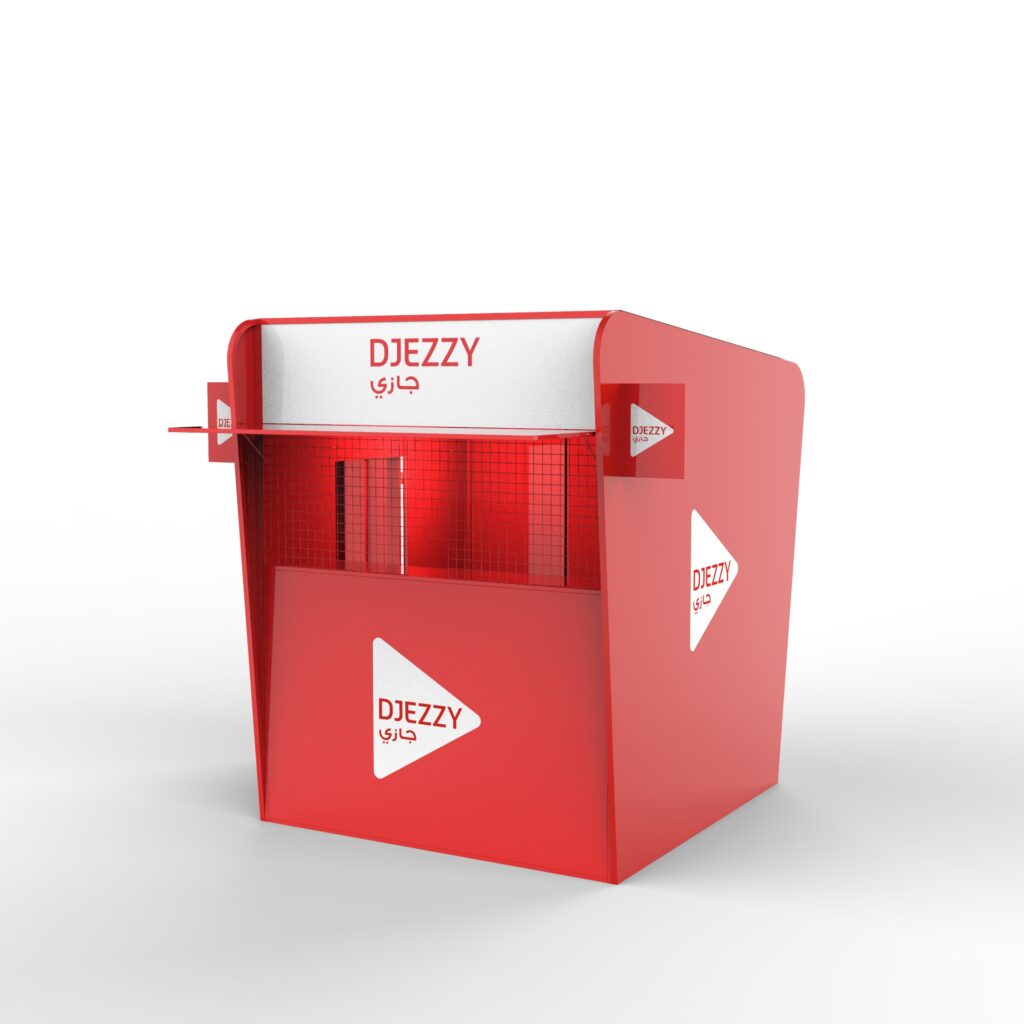
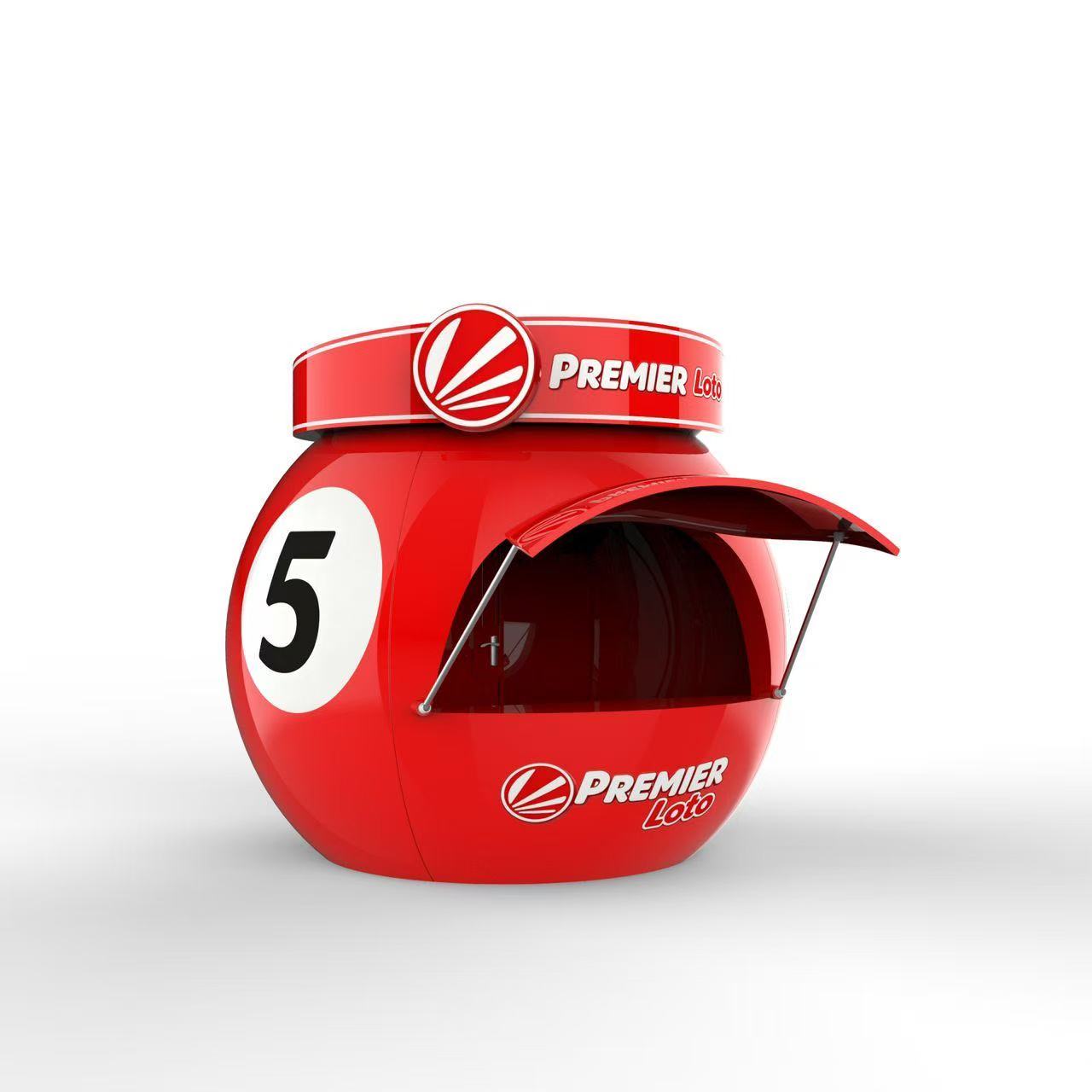
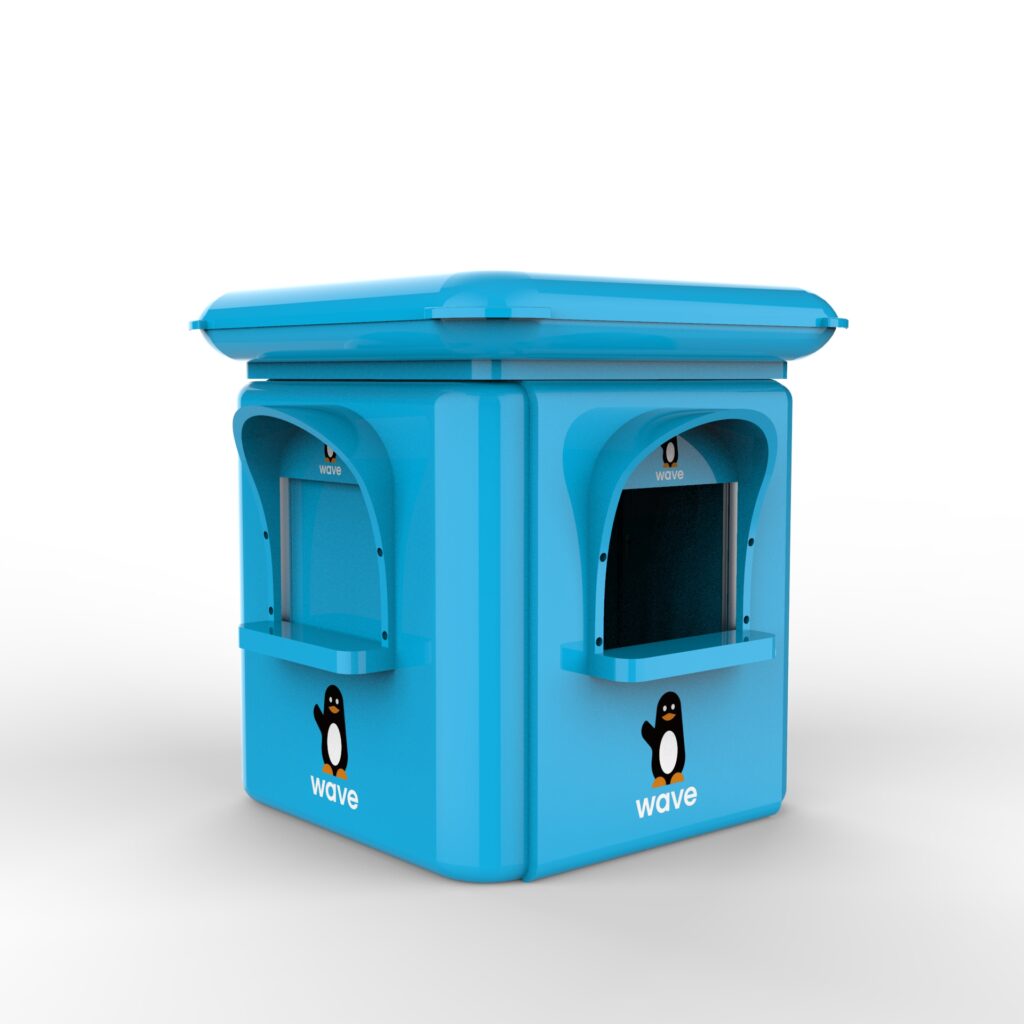
These products include fiberglass kiosks, sheet metal kiosks, folding kiosks, mobile money booths, lottery ticket stations, promotional carts, beverage carts, cigarette retail units, mobile counters, solar-powered retail equipment, light boxes, outdoor signage, display cabinets, and many other POSM products.
But product quantity alone is not the most important thing.
What matters more is that many of these products have already been tested in real projects.
We have participated in more than 50 practical project applications for over 30 international and regional brands, covering more than 20 countries and regions.
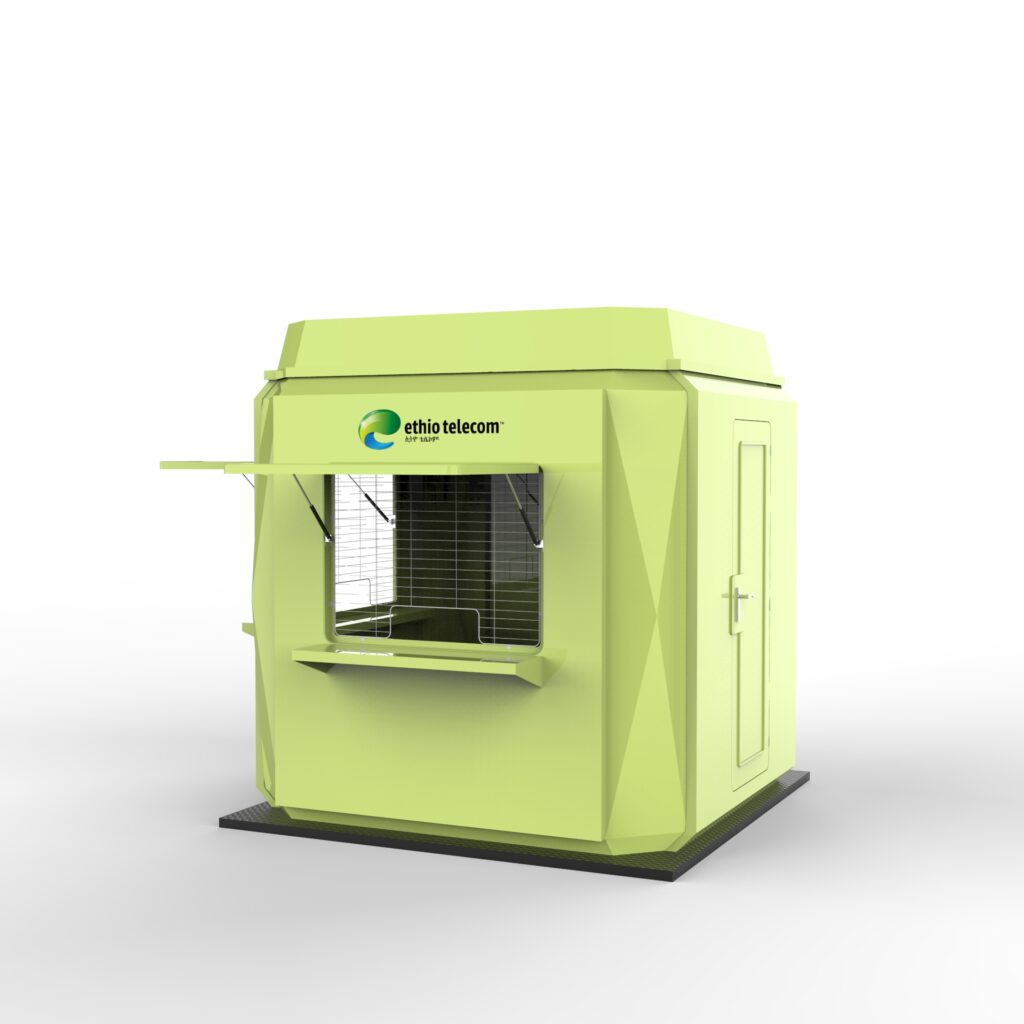
This gives us something that cannot be replaced by drawings alone: practical experience.
We know that a kiosk designed for a shopping mall is very different from a kiosk used beside a road in West Africa.
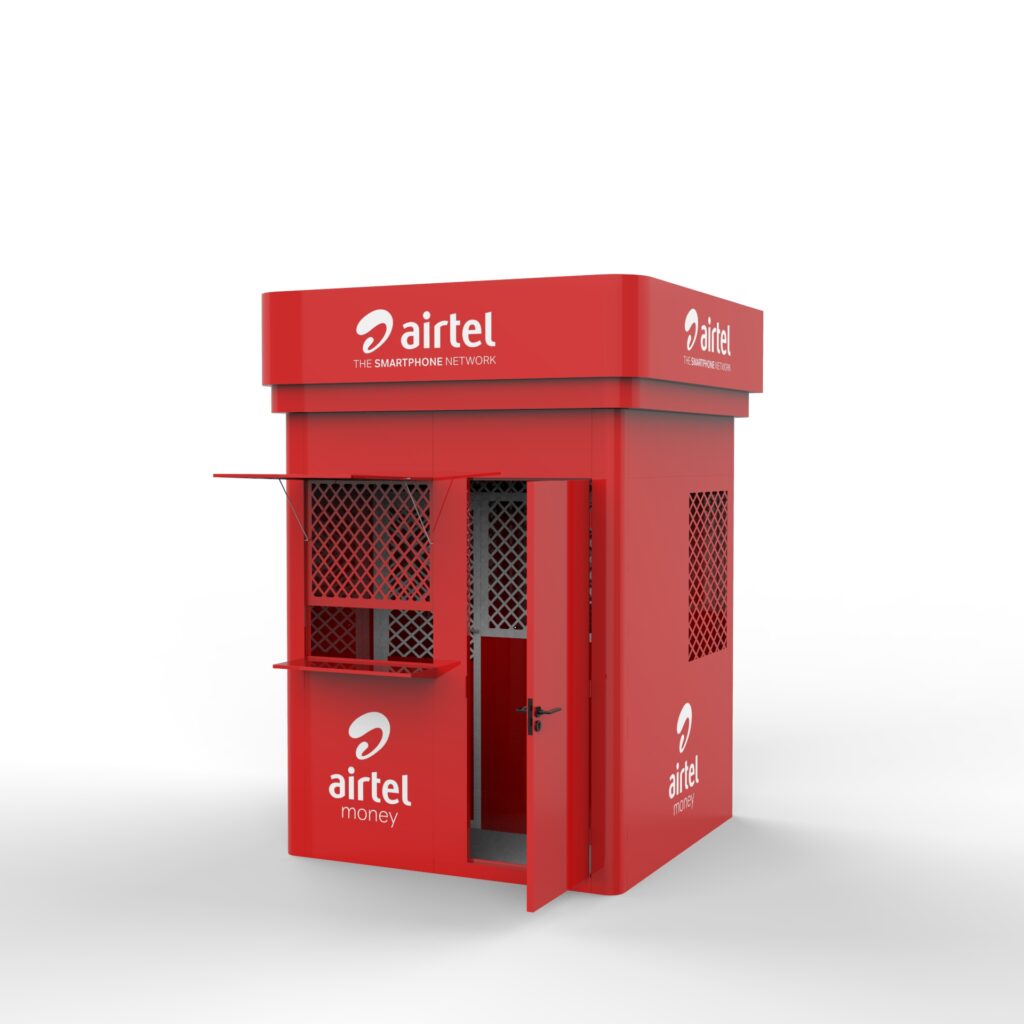
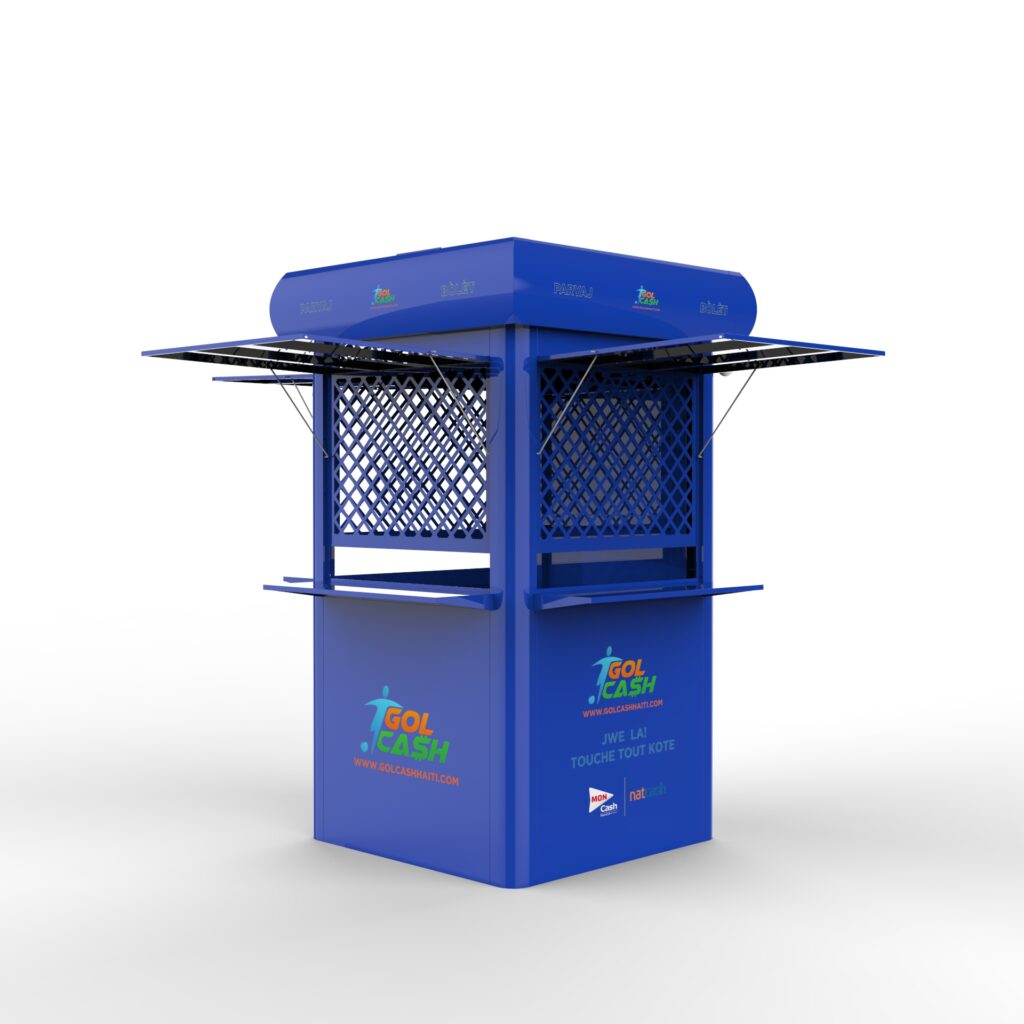
We know that a mobile money kiosk may need security mesh, cash-operation space, strong ventilation, easy maintenance, strong locks, and highly visible branding.
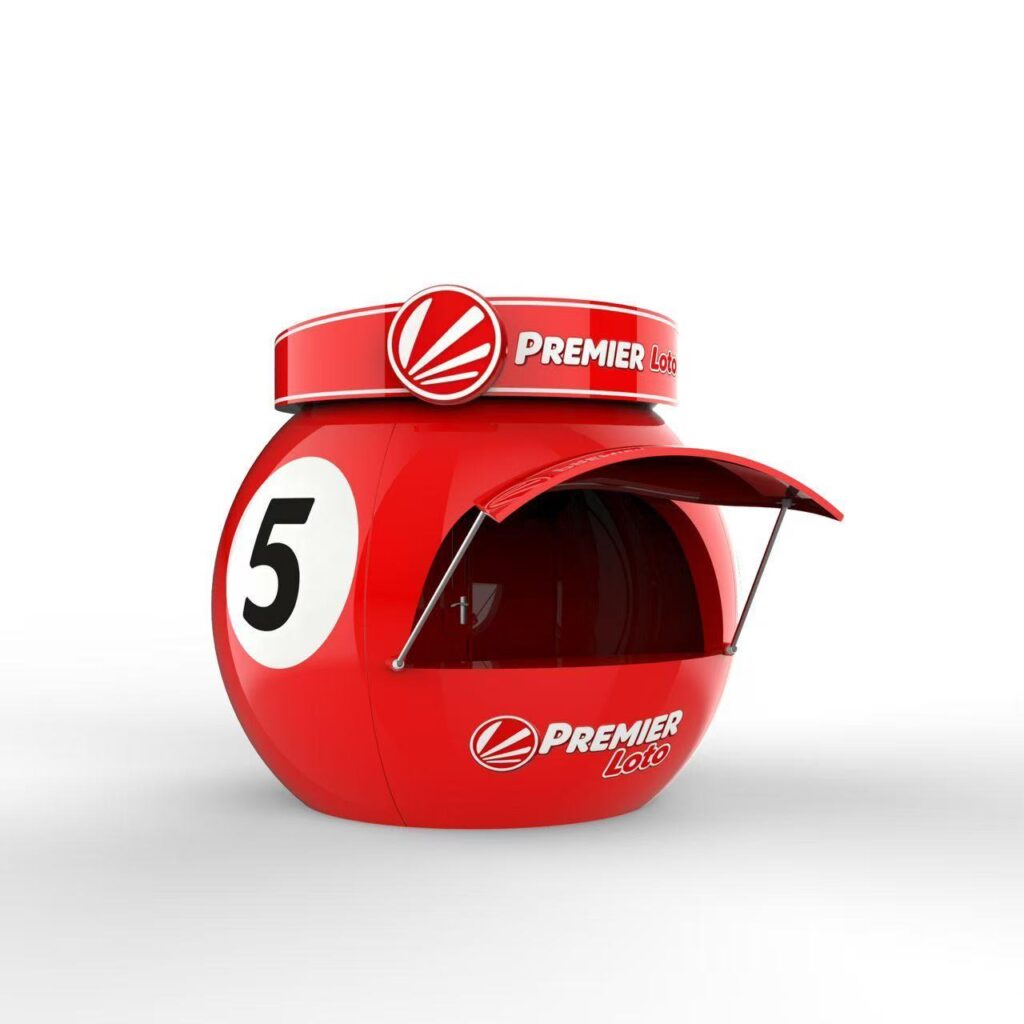
We know that a lottery kiosk may need fast deployment, a small footprint, clear brand identification, rain protection, counter space, and enough internal room for equipment.
We also know that a kiosk that looks perfect in a 3D rendering may still need many changes before it becomes a practical product.
That experience helps us avoid many unnecessary mistakes.
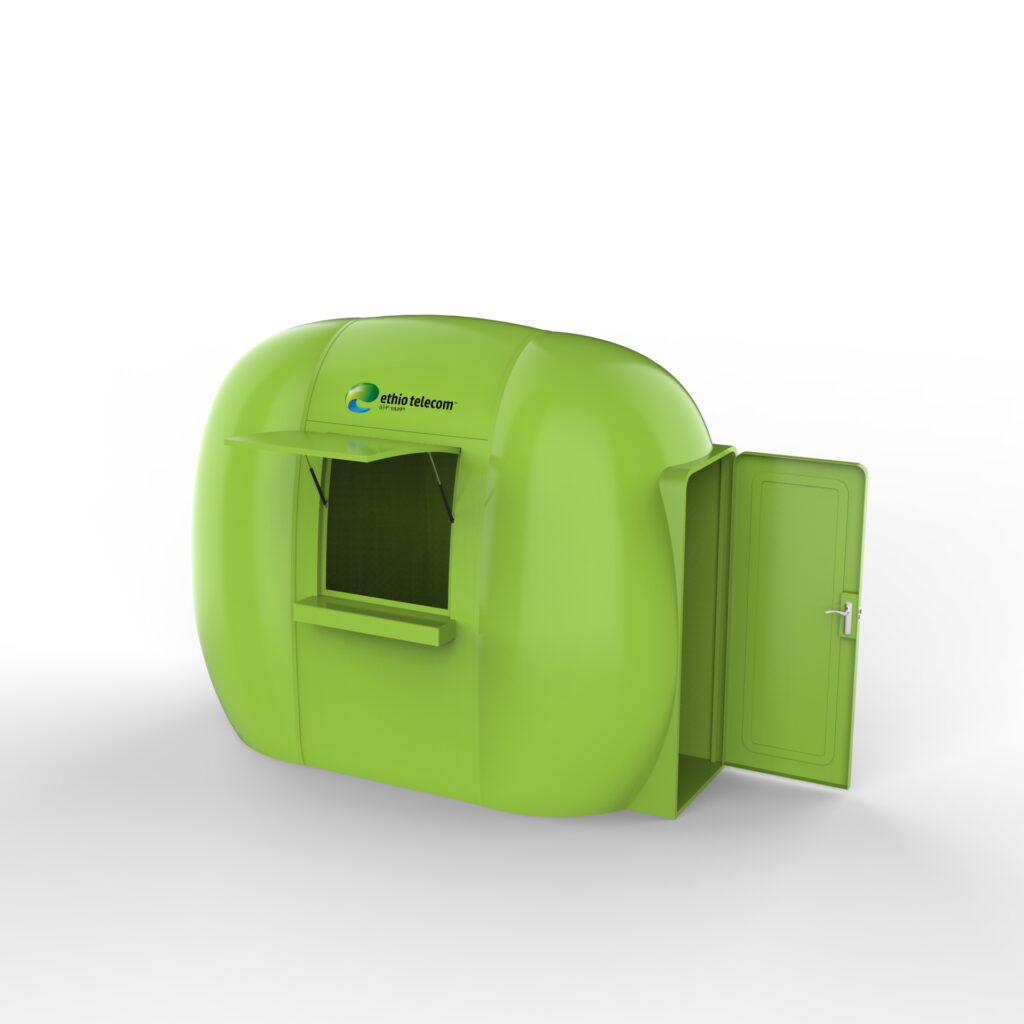
When customers work with us, they are not starting from zero. They are starting from a large existing knowledge base of structures, materials, installation methods, packaging methods, hardware combinations, surface treatments, molds, and project experience.
That usually saves both time and money.
- We Work with Customers from the First Idea, Not Only After the Drawing Is Finished
Many customers come to us without a final design.
Sometimes they only have a simple idea.
For example:
“We need a mobile money kiosk for rural Africa.”
“We need a lottery kiosk for a national rollout.”
“We need a small branded booth that two people can install quickly.”
“We need a fiberglass kiosk that looks modern but can still be shipped efficiently.”
“We need a kiosk that can be stacked or assembled on site.”
These are not final product specifications. They are business requirements.
This is where Flowvisual becomes more than just a manufacturer.
We usually start by understanding the actual use case.
Where will the kiosk be installed?
Indoors or outdoors?
How many people will work inside?
What equipment needs to be installed?
Does it need electricity, solar power, lighting, ventilation, a lockable cabinet, shelves, counters, or digital devices?
What is the expected shipping method?
How many units are planned?
Does the customer need a prototype first?
What is the budget range?
What local weather conditions should we consider?
What kind of brand image does the customer want?
After we understand these questions, we can start developing the concept.
From there, we move step by step.
First comes the initial concept.
Then 3D appearance design.
Then structural design.
Then material selection.
Then prototype development.
Then real sample testing.
Then improvement.
Then mass production.
This process is very important because a kiosk is not just an appearance.
It is a combination of design, engineering, material, branding, logistics, installation, maintenance, and budget.
We help customers connect all these parts together.
For many of our customers, this full-process support is more valuable than simply receiving a low unit price.
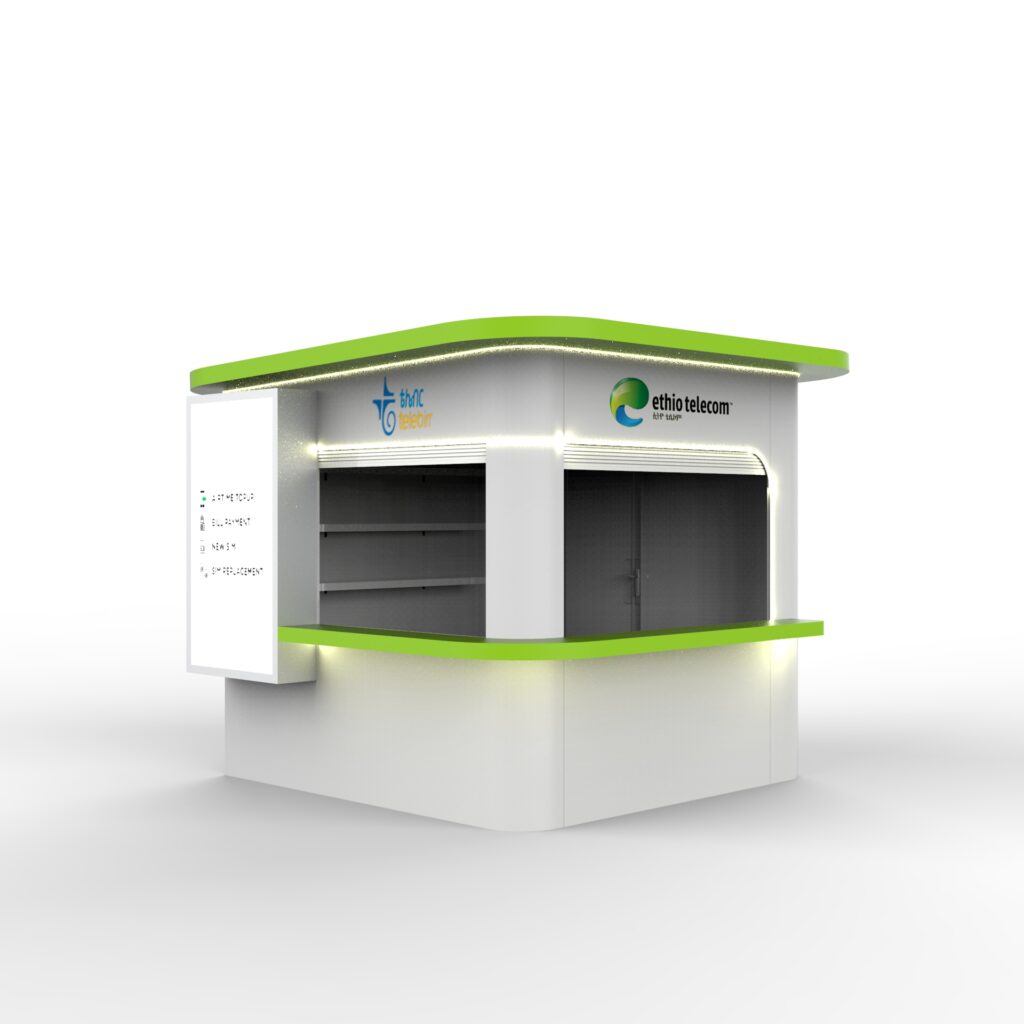
- We Help Turn an Idea into a Complete Solution Model
A good kiosk supplier should not only answer the question, “Can you make this?”
A better supplier should also ask, “Can this be made better?”
At Flowvisual, we spend a lot of time helping customers turn an early-stage idea into a complete solution model.
For example, a customer may initially want a welded steel kiosk.
After reviewing the project, we may suggest a modular structure to reduce shipping volume.
Or we may suggest fiberglass for the roof because it can create a more distinctive shape.
Or we may suggest sheet metal for the wall panels because it is easier to manufacture, repair, and customize.
Or we may redesign the counter so that it becomes foldable.
Or we may change the roof structure to improve drainage.
Or we may optimize the packing method so more units can fit into one container.
These changes may look small on a drawing, but they can have a very big impact on the project.
A kiosk project is successful only when the whole system works.
That includes production, transportation, installation, use, maintenance, and cost.
This is why we like to work as early as possible with customers.
The earlier we join the project, the more opportunities we have to improve the final result.
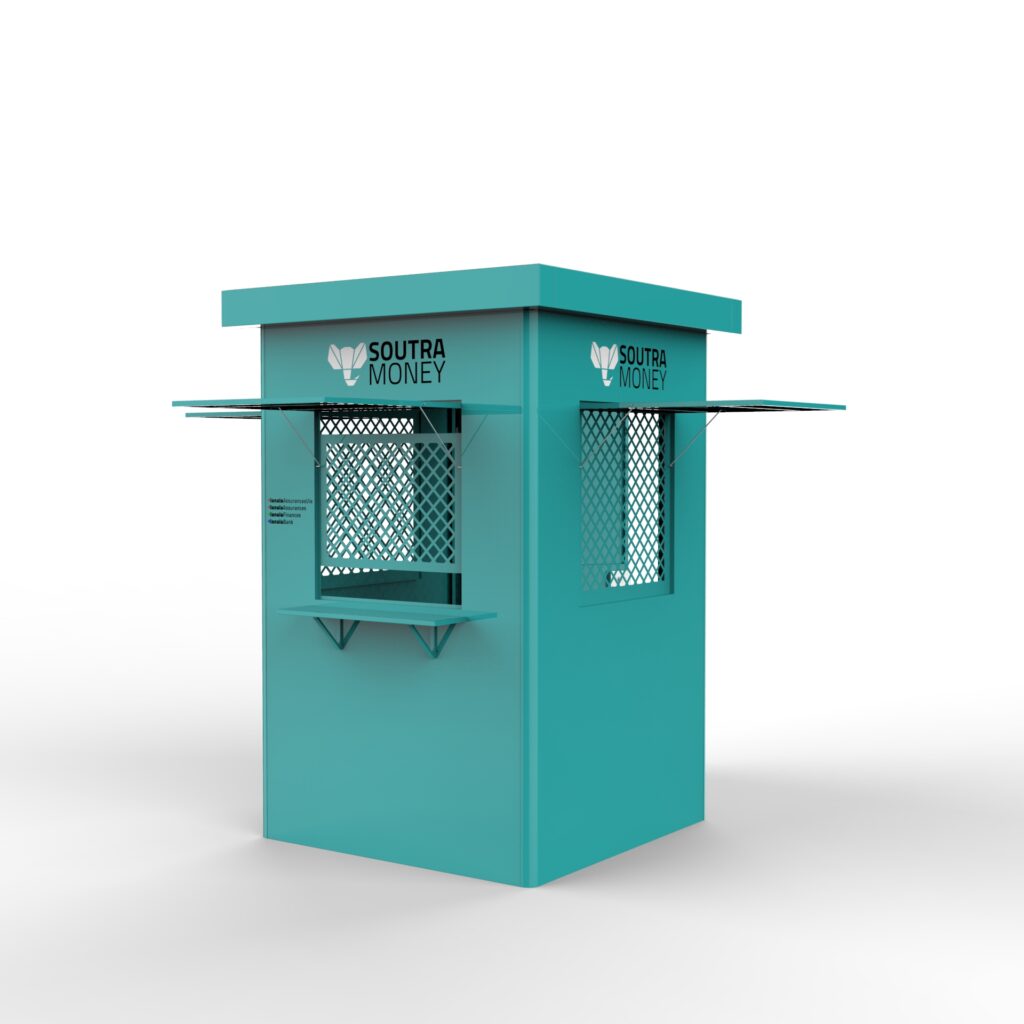
- We Invest Heavily in Structural Optimization
Good quality does not simply mean using thicker metal or more expensive materials.
Real product quality comes from good structure.
We pay a lot of attention to structural optimization.
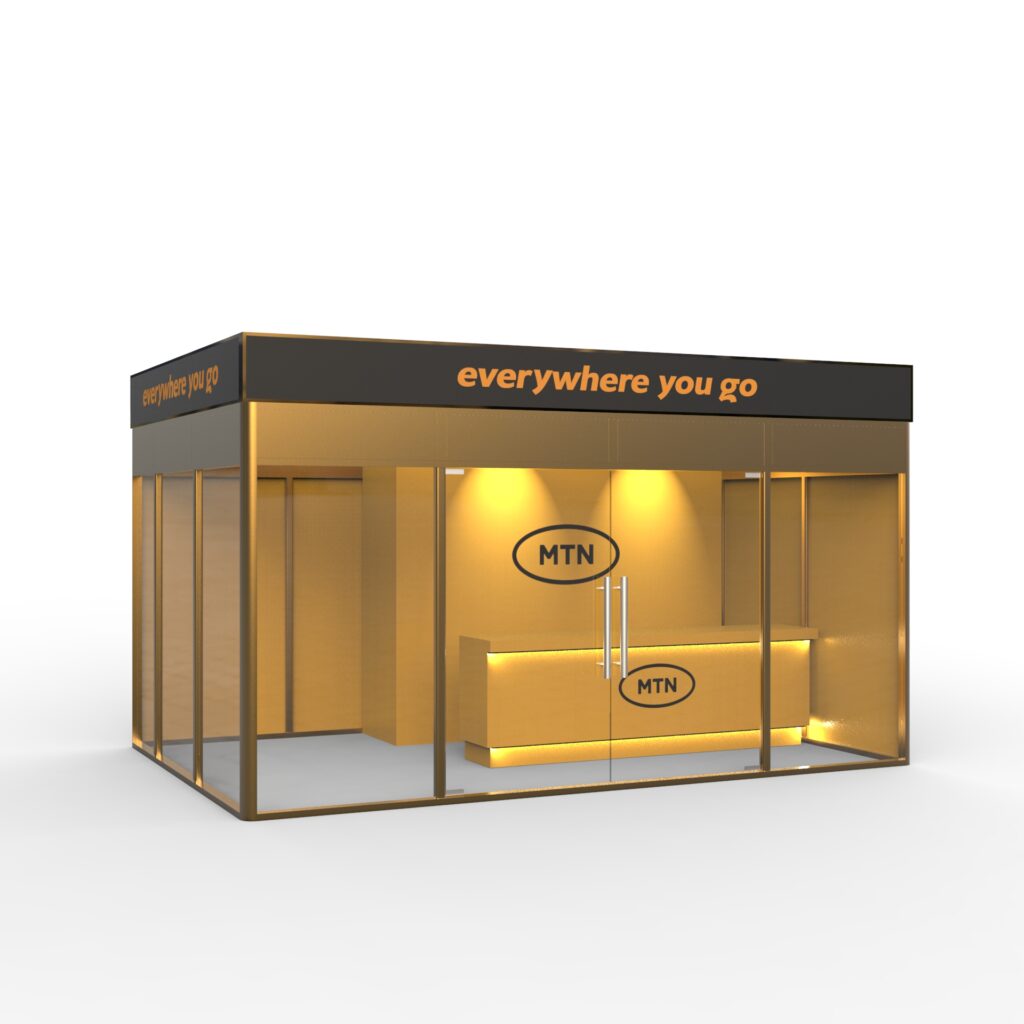
For example, we study how the frame supports the wall panels, how the roof connects to the body, how the door avoids deformation, how the window opens and closes, how the counter carries weight, and how the whole kiosk remains stable after long-term use.
We also consider how the product will be assembled.
Can two people install it?
Does the customer need welding on site?
Can the structure be bolted together?
Can the wall panels be replaced individually?
Can the unit be disassembled for transport?
Can the kiosk be stacked?
Can the packaging protect the surface during sea freight?
All these questions are part of our engineering process.
For outdoor kiosks, structural design becomes even more important.
Wind, heat, rain, dust, repeated opening and closing, and long-term sunlight can all affect the product.
A strong structure helps reduce future maintenance problems.
This is one of the reasons why we do not only focus on appearance design.
We always try to balance visual impact with engineering practicality.
- We Invest in Molds to Improve Product Quality and Efficiency
For fiberglass products, molds are one of the most important investments.
A good mold affects surface quality, production consistency, shape accuracy, and long-term manufacturing efficiency.
Flowvisual has invested significantly in molds over the years.
This is not always visible to the end customer, but it has a direct impact on the final product.
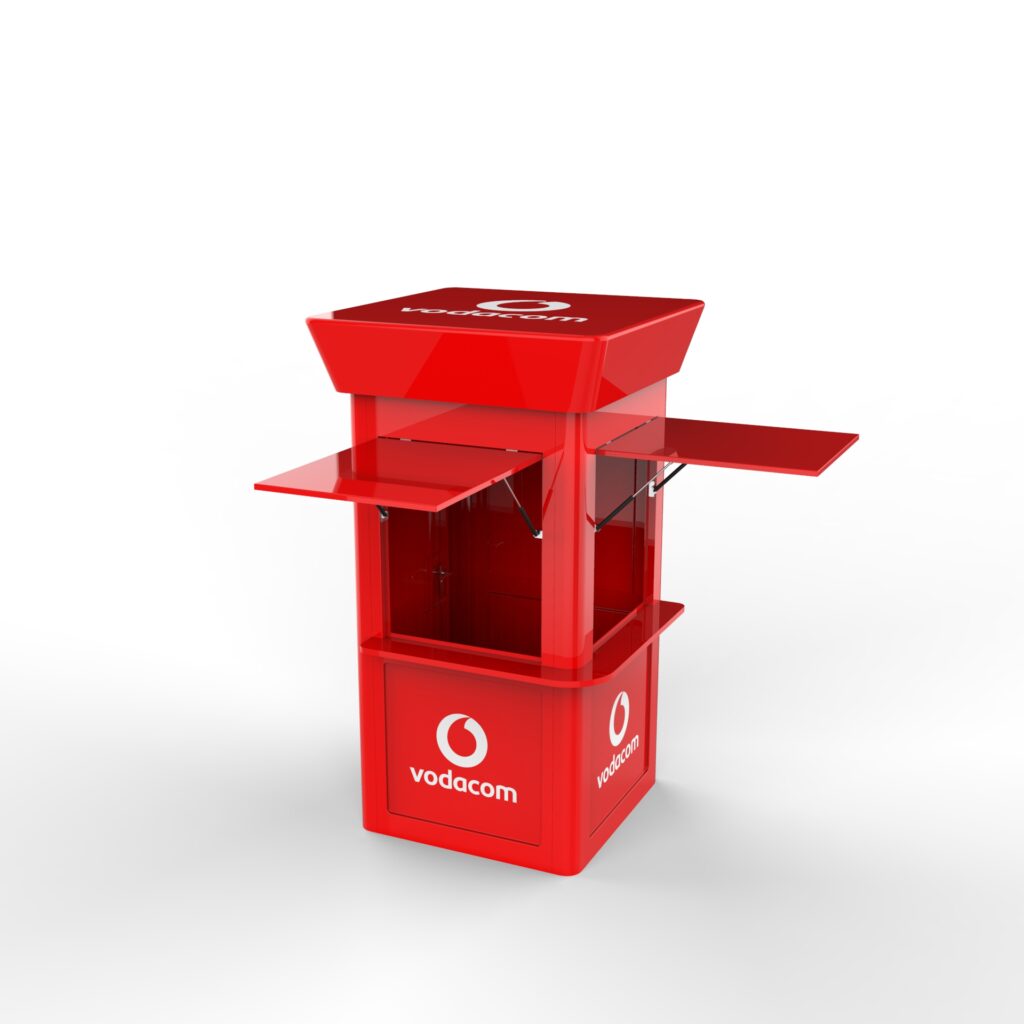
With better molds, we can create smoother curves, more consistent surfaces, more distinctive shapes, and better repeatability during mass production.
It also allows us to move beyond the traditional “box-shaped kiosk.”
Fiberglass gives us much more design freedom.
We can create rounded corners, integrated roofs, curved signboards, organic forms, geometric shells, and stronger visual identities.
At the same time, mold investment can also reduce future unit costs when the project moves into volume production.
So when we invest in a mold, we are not only investing in design.
We are also investing in production efficiency and product consistency.
This is especially important for customers planning long-term rollout projects.
- We Continuously Optimize Our Supply Chain
A kiosk is made from many different components.
Metal frames.
Fiberglass parts.
Sheet metal panels.
Locks.
Hinges.
Gas springs.
LED lights.
Acrylic signs.
Printed graphics.
Electrical components.
Solar systems.
Shelves.
Counters.
Wheels.
Packaging materials.
Each part affects the final quality and cost.
This is why supply chain management is extremely important.
Flowvisual has spent years building and optimizing a supply chain around customized POSM and kiosk production.
Instead of relying on one single factory to do everything, we integrate different specialist suppliers depending on the product.
For example, one supplier may be strong in sheet metal.
Another may be better at fiberglass molding.
Another may specialize in acrylic light boxes.
Another may focus on stainless steel.
Another may have better capability in wood, aluminum, or electronic integration.
This allows us to select the most suitable production resource for each part.
The goal is not simply to find the cheapest supplier.
The goal is to create the best balance between quality, cost, lead time, and production stability.
This is what we mean by high cost-performance.
A product should not be expensive just because it looks premium.
And it should not be cheap if that means poor structure, unstable quality, or frequent maintenance problems.
We try to find the right balance.
- We Focus on High Cost-Performance, Not Just Low Price
Many customers ask for the best price.
That is completely understandable.
But in customized kiosk projects, the lowest price is not always the lowest total cost.
A very cheap kiosk may create extra costs later.
Damage during shipping.
Surface rust.
Broken hinges.
Weak counters.
Water leakage.
Poor locks.
Difficult installation.
Inconsistent branding.
Replacement parts.
Rework.
Project delays.
These costs can easily become much more expensive than the original price difference.
At Flowvisual, our approach is different.
We try to reduce unnecessary cost through engineering.
We optimize structures.
We standardize common components.
We improve packaging.
We invest in molds.
We integrate suppliers.
We improve production efficiency.
We reuse proven technical solutions where appropriate.
This allows us to keep the product competitive without sacrificing the important parts.
For customers planning hundreds or even thousands of units, this becomes especially valuable.
A small improvement in structure or packaging can create a large saving across the whole project.
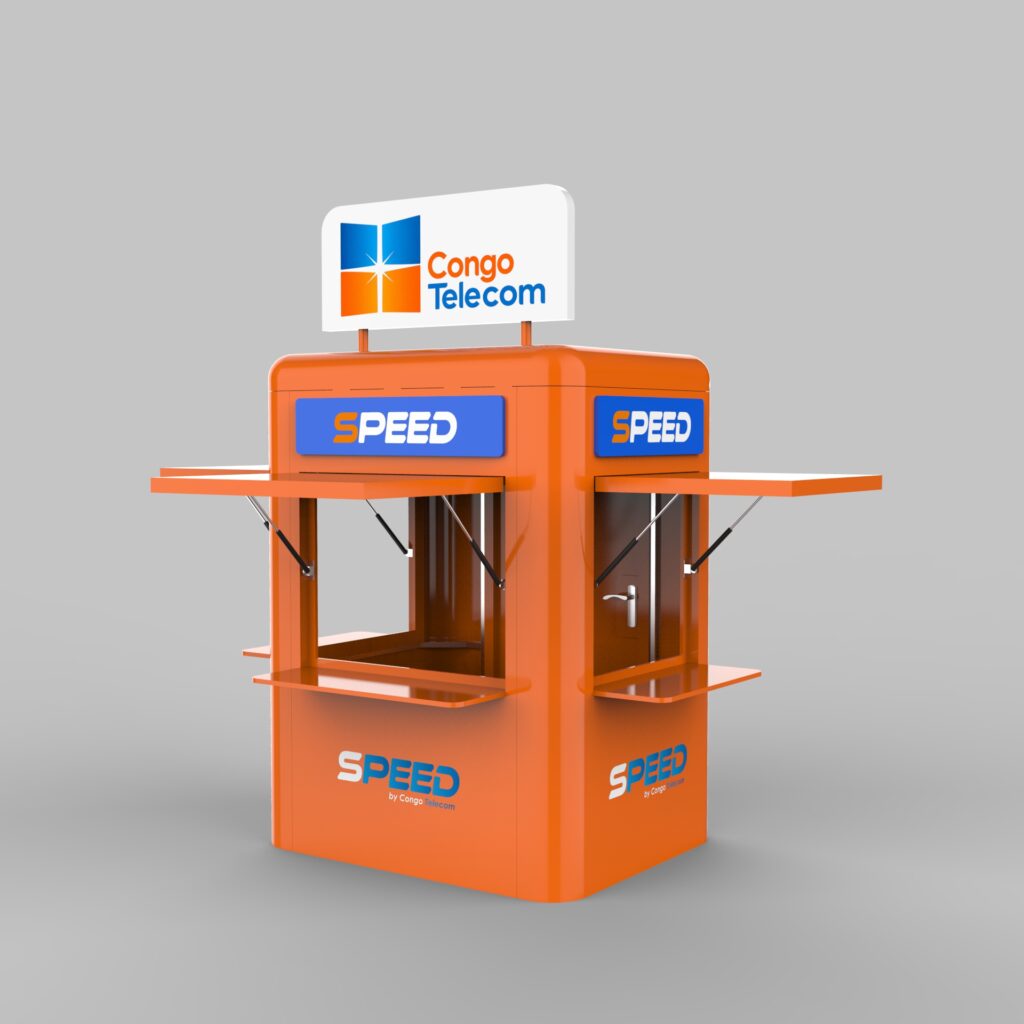
- We Understand Customized Brand Projects
Many of our customers are not buying generic kiosks.
They are buying branded retail infrastructure.
That is a very different requirement.
The kiosk may need to match a specific Pantone color.
The logo position may need to follow brand guidelines.
The product may need illuminated signage.
The graphics may need to work in multiple languages.
The design may need to remain recognizable even from a long distance.
The kiosk may also need to match other POSM products in the same campaign, such as A boards, light boxes, promotional tables, carts, counters, or display cabinets.
Because we work extensively with branded POSM, we understand that visual consistency matters.
We are used to customizing colors, materials, graphics, shapes, signs, and retail functions around each brand.
That is why many customers choose us not only for one kiosk, but for a complete family of retail products.
- We Have Strong Experience in Africa and Emerging Markets
Africa is one of our most important markets.
We have worked with telecom, mobile money, lottery, FMCG, beverage, tobacco, and other retail-related projects across multiple African countries.
This experience helps us understand some very practical needs.
Products often need to be strong and easy to maintain.
Installation should be simple.
Replacement parts should be easy to source.
Shipping efficiency matters.
Outdoor durability matters.
Brand visibility matters.
Security often matters.
And budgets are usually very closely controlled.
These conditions are very different from many premium retail projects in developed markets.
We understand this balance.
The product should look professional, but it also needs to make business sense.
That is why many of our designs are created around practical deployment rather than only appearance.
- We Think Beyond One Order
Our preferred relationship with customers is not one transaction.
We want to become a long-term product development and retail deployment partner.
The first project may start with one prototype.
Then ten units.
Then one hundred.
Then a national rollout.
Then new product categories.
This is how many long-term business relationships develop.
When we understand the customer’s brand, technical requirements, market, and installation environment, future projects become much faster.
We can reuse engineering knowledge.
We can improve existing molds.
We can optimize packaging.
We can develop related products.
We can reduce development time.
This creates value for both sides.
So, Why Select Flowvisual?
Because we are not only making kiosks.
We are helping customers build practical, branded, scalable retail solutions.
We bring together product design, structural engineering, prototype development, mold investment, manufacturing, supply chain integration, branding, packaging, and export experience.
With more than 100 independently developed products, 50+ real project applications, 30+ brands served, and projects covering more than 20 countries and regions, we have built our experience through real work, not only presentations.
More importantly, we are willing to start from the customer’s idea.
You may come to us with a detailed engineering drawing.
Or you may only have a simple sketch.
Or even just a sentence:
“We need a better kiosk for this market.”
That is enough to start.
From concept to design, from prototype to mass production, Flowvisual can help you turn that idea into a real product.
Have a kiosk project in mind?
Send us your brand, application scenario, expected quantity, target market, and basic requirements.
Talk to Flowvisual about your custom kiosk project — from first idea to final delivery.