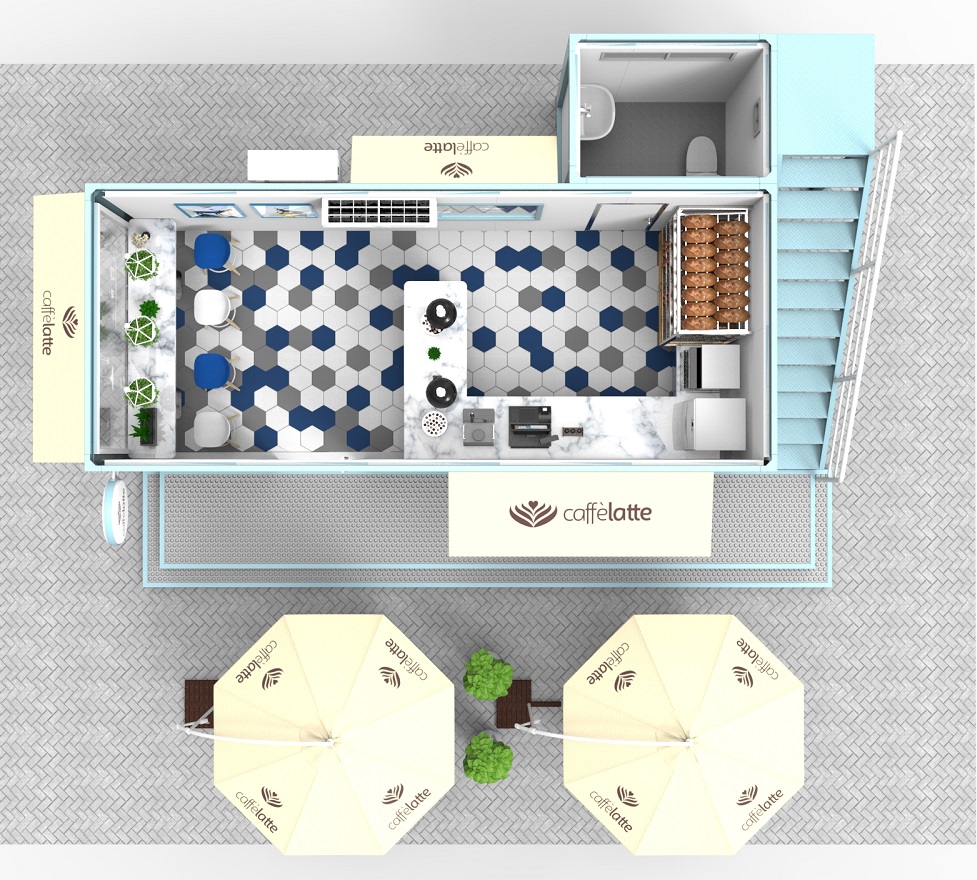
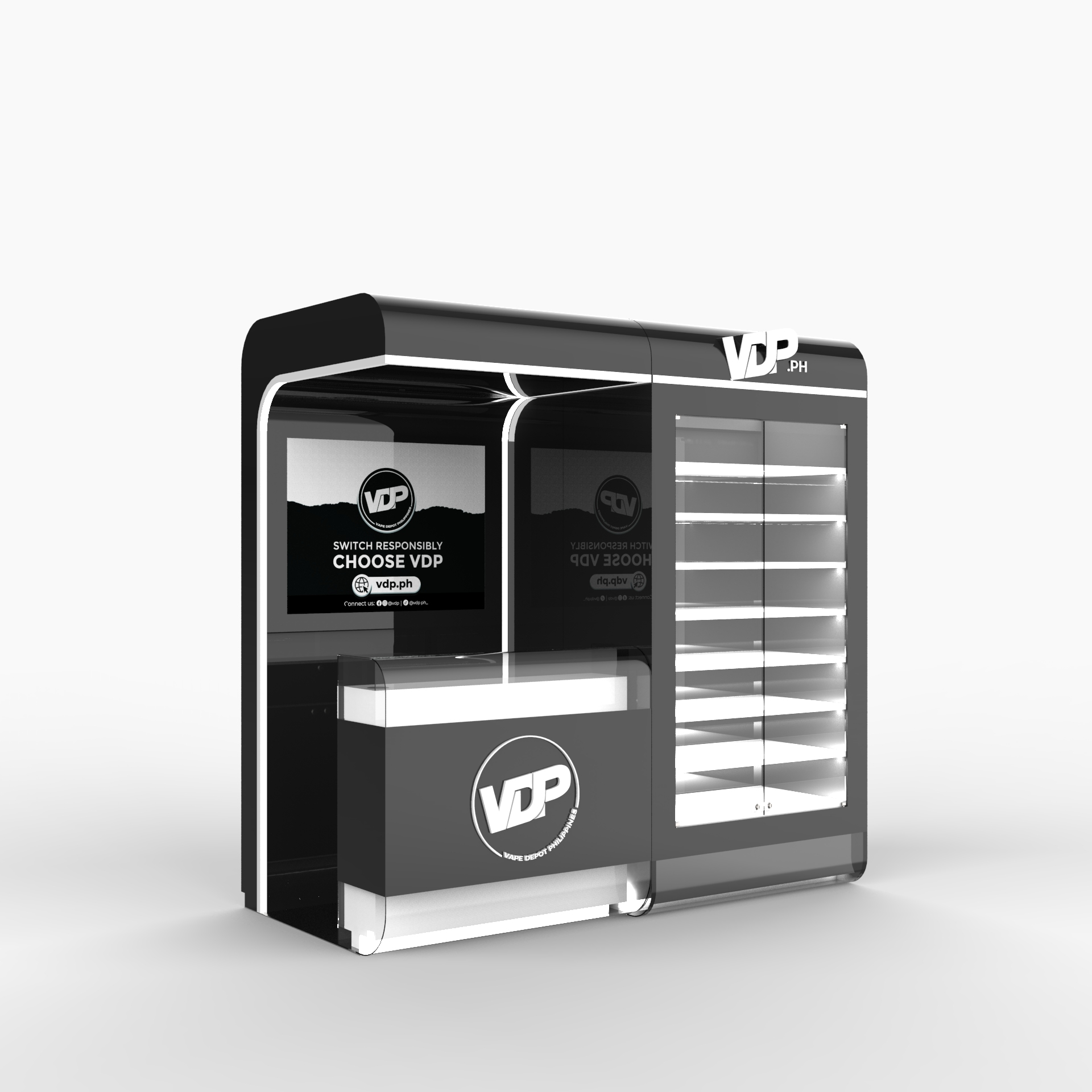
Brand Mobile Stores Extending Infinitely from the Physical World into the Virtual Digital World
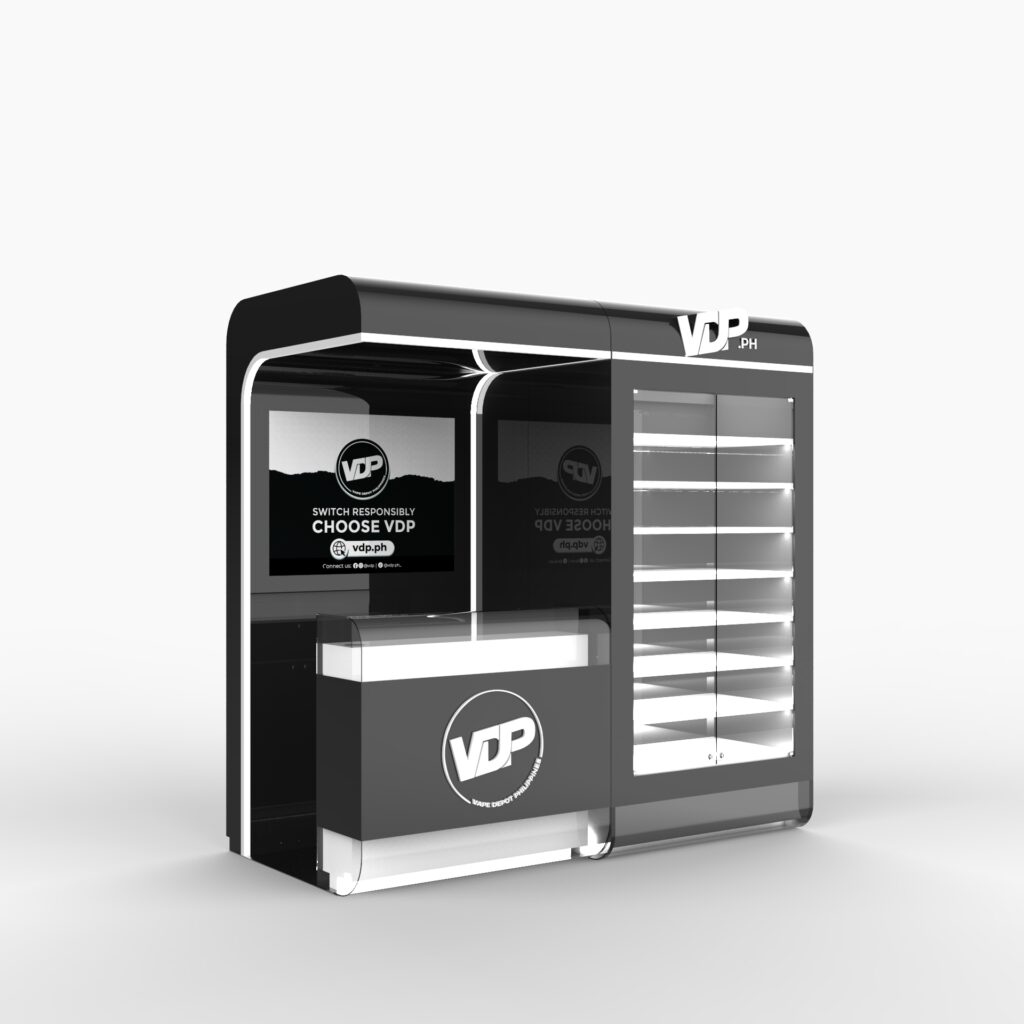
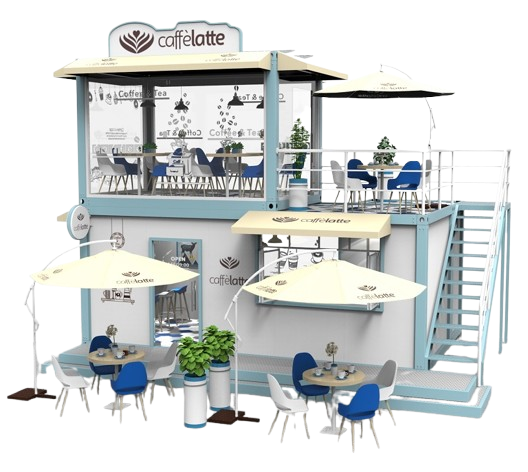
What we are envisioning is an online showroom for branded mobile stores that extends the physical business world into an unlimited virtual digital space.
This direction is driven by two very practical realities:
First, physical space is always limited by cost — rent, display area, sample production, shipping, and setup all create constraints.
Second, customers increasingly need better tools to create, customize, and experience solutions within a more efficient industry-specific ecosystem.
So in the long run, we believe this system should evolve into a set of AI-powered industry tools built around real business needs.
1. A Model Library + Logo Input Tool for Fast Visual Generation
The first and most practical function is very straightforward:
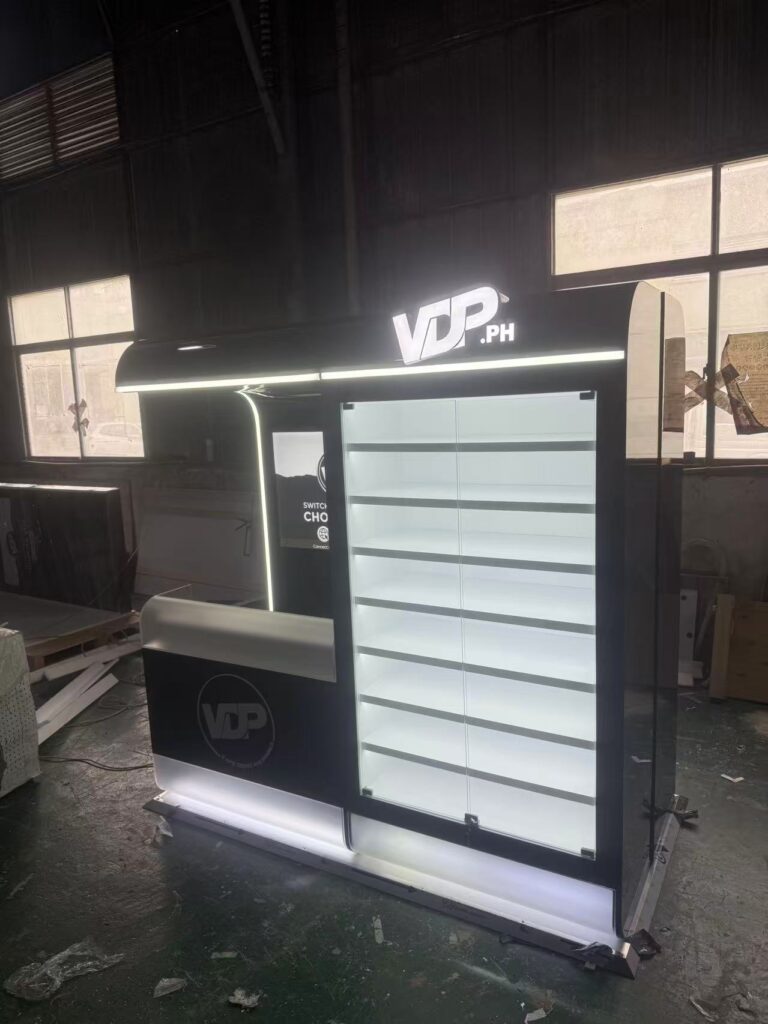
We put all standard industry models into a digital library.
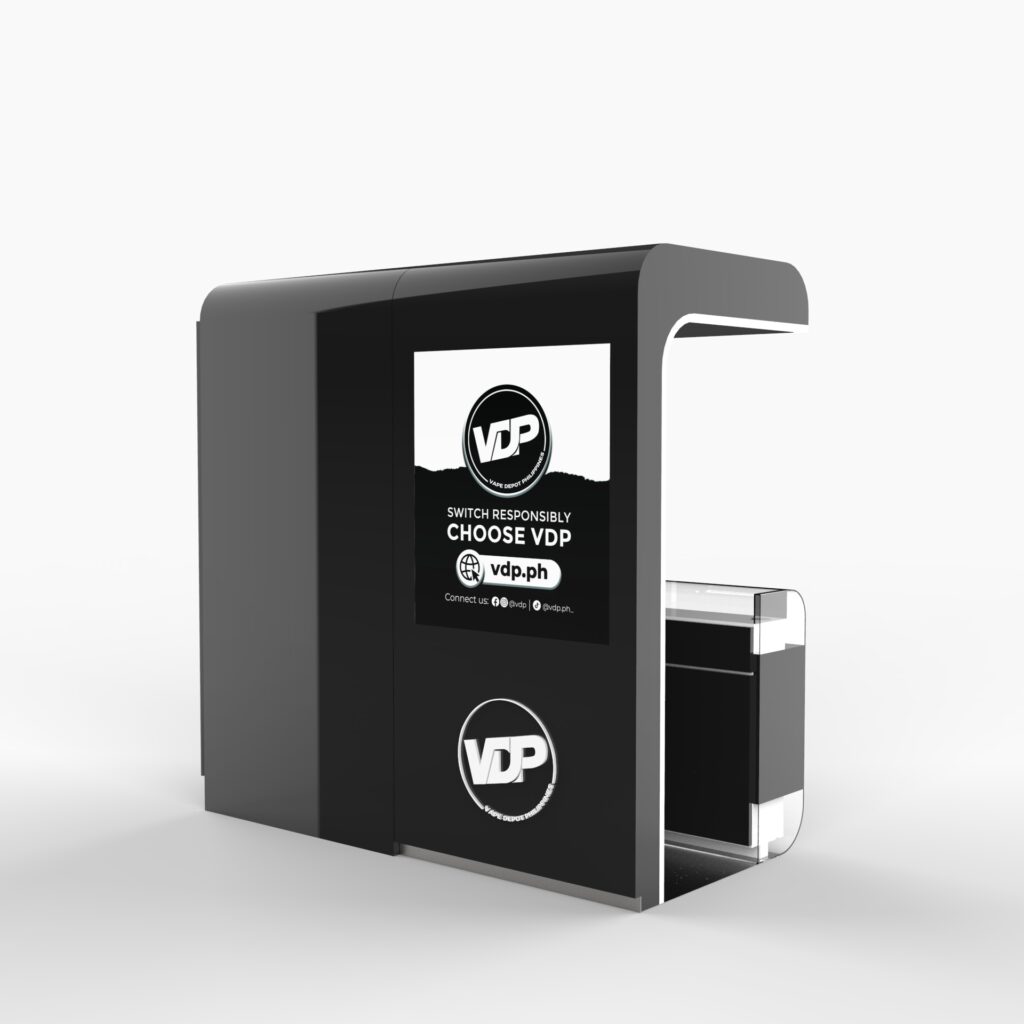
Then the customer simply uploads their own logo, and the system can quickly generate product visuals with their branding applied.This is already the most useful and highest-frequency function for users.
In most cases, customers are not asking for totally new product development or new mold creation.
They are mainly choosing from existing mature SKUs and want to see how those models look with their own branding.
In other words, the process should feel like building with LEGO blocks:
• choose a base model,
• add the customer’s logo,
• combine modules if needed,
• and instantly generate presentation visuals.
At the current stage, this is the simplest, most practical, and most valuable application.
Going one step further, the same logic can be extended from static images to 3D animated videos.
The technology already exists, but the cost is still much higher.
So for now, the most realistic priority is:
• keep the base model library lean,
• minimize the number of core SKUs,
• and let users quickly create branded visual effects from proven existing models.
For 99% of customers, this is already good enough, because most of them are happy to work with products that are already mature, market-tested, and production-ready.
2. A Conversational AI for Industry Knowledge and Technical Feasibility
The second layer is a dialogue-based industry AI assistant.
This should go far beyond general AI Q&A.
It needs to connect with deeper industry knowledge, including:
• technical know-how,
• hidden supply chain knowledge,
• manufacturing processes,
• design and engineering logic,
• production feasibility in China,
• and realistic cost feasibility ranges.
That level of breakdown is something today’s general AI tools still cannot truly deliver in a complete and practical way.
To build this, we need to continuously collect and feed the system with structured knowledge, so it gradually becomes an integrated industry-specific AI agent.
The good thing is that this knowledge-feeding process can actually be done in a relatively lightweight way.
For example, interns can help with much of the groundwork, as long as we build a simple and clear workflow for:
• data collection,
• classification,
• cleaning,
• and structured AI feeding.
So the key is not to build a foundation model ourselves, but to build a vertical application layer on top of the world’s best AI models, using our own industry data and practical experience.
3. User Experience Entry Points: Renderings, Interactive 3D, and VR Space Experience
The third part is the user-facing experience.
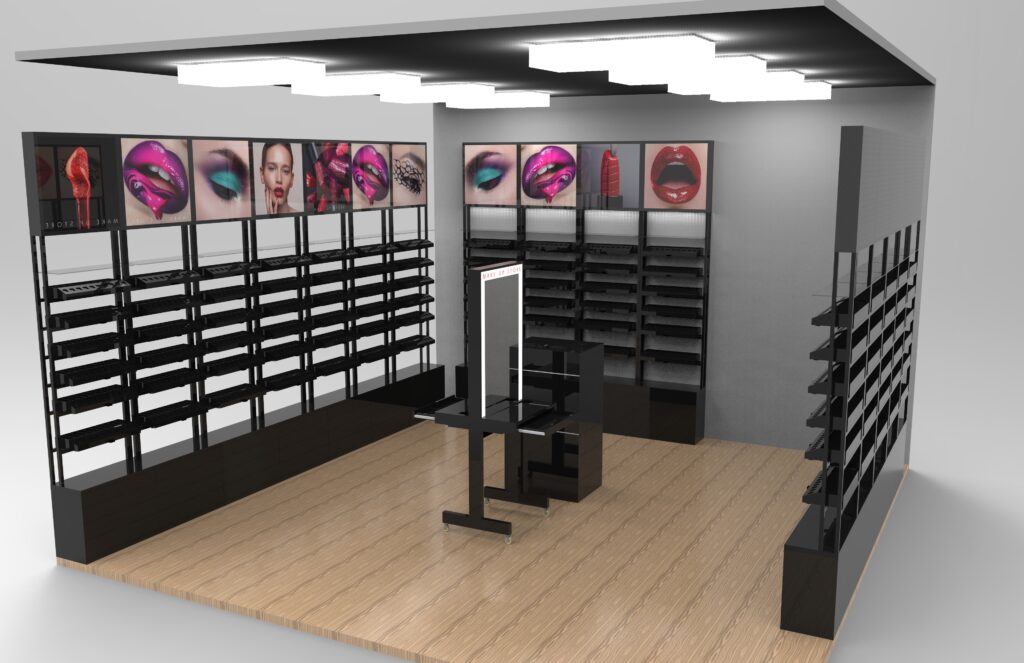
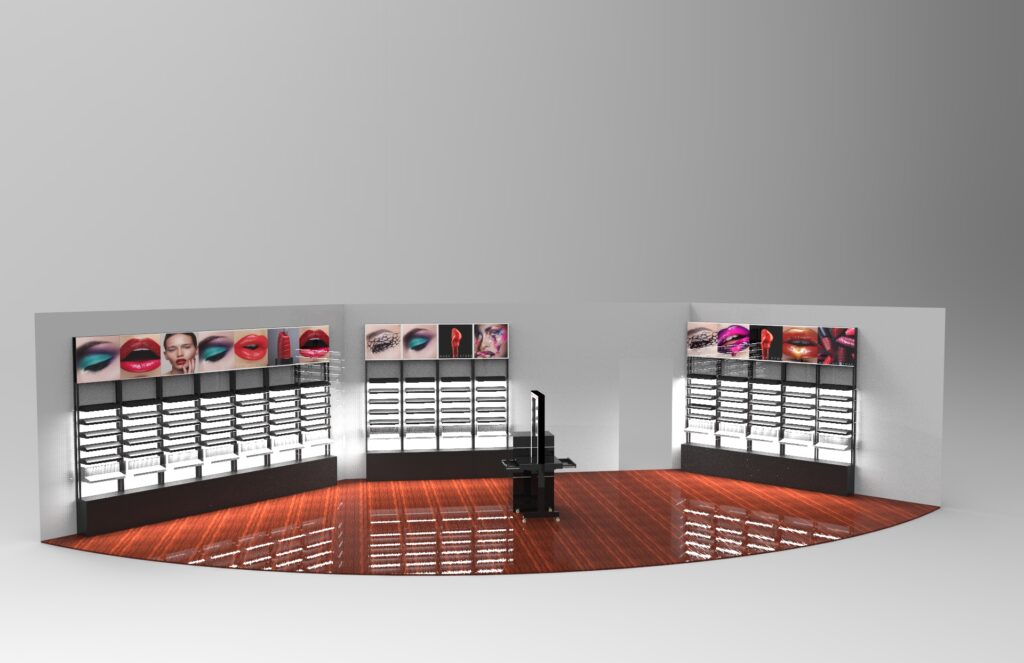
Users should be able to enter the system through different visual formats, such as:
• rendered images,
• draggable 3D product views,
• naked-eye interactive 3D models like what users experience on some real-estate platforms,
• and even immersive virtual brand-store spaces through VR headsets.
This kind of combination is fully aligned with real business needs.
Whether they are brand owners or intermediaries, they both need a system like this.
Because physical expansion is always finite, but creative expression, visual experience, and design participation can scale much further in the digital world.
That is especially important if we want more ordinary users to engage with industry design in a more accessible way — not only to use existing solutions, but also to participate in creativity, aesthetic expression, inheritance, and innovation.
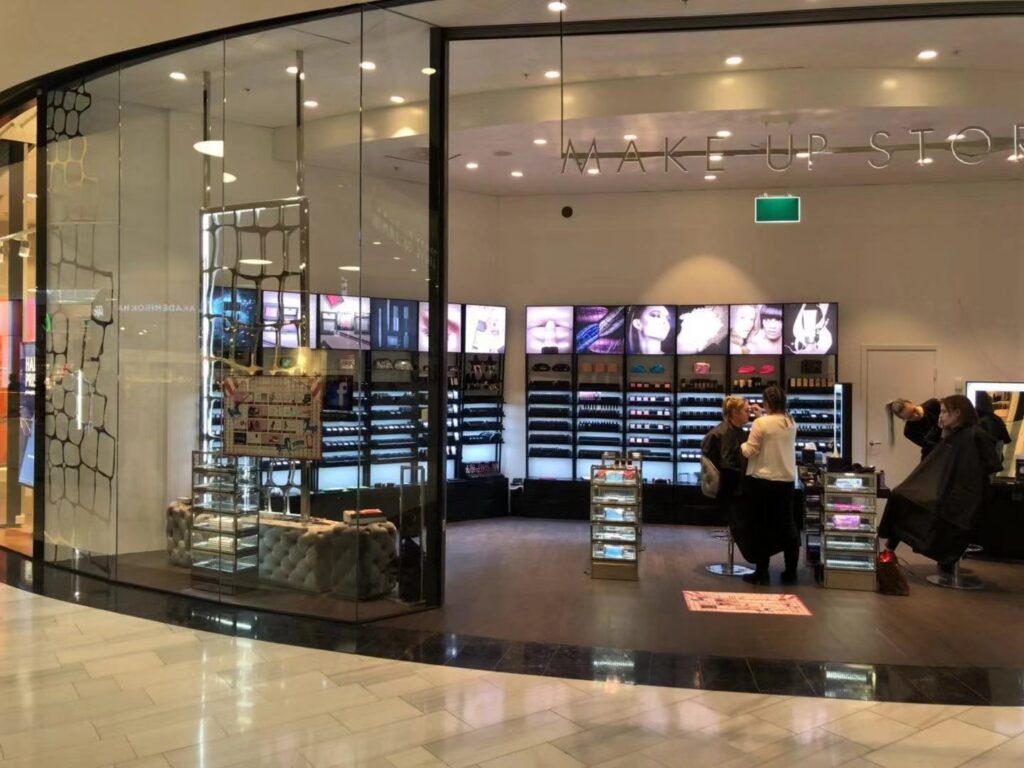
In fact, some of the materials we are already using today are early forms of this direction, such as:
• 3D renderings,
• AI-generated product visuals based on real samples,
• and the SK07 exploded-view animation video built by Lu Gong from the model.
These are already examples of how physical products can be extended into a more expressive digital presentation format.
4. This Is a Long-Term Plan, So It Has to Be Built Step by Step
Of course, this is a long-term vision.
The manpower, resources, and capital required will be significant.
So realistically, it can only be built step by step.
But the important point is that this direction is not based on fantasy.
It is based on real needs that are already emerging in our day-to-day business.
That is why this path makes sense.
5. Our Future Core Competitiveness
Over time, our core competitiveness will gradually shift. It will no longer be just about making physical products. Instead, our real advantage will become this:
We do not need to be afraid of being copied. What matters is that we can move faster than others by following the world’s best AI foundation models and applying them rapidly to our own niche industry solutions.We do not need to develop large models ourselves.
What we need is to focus on vertical AI applications for our specific market.That is where the real value lies.And because most real-world customer demand still centers around:
• mature existing models,
• logo replacement,
• modular scene combinations,
• and fast visual presentation,the current stage is actually not as difficult as it may look.
In practical terms, most users still just want to see:
• how an existing model looks with their own logo,
• or how a small modular branded scene looks after simple combination.
And that makes this a very realistic starting point.